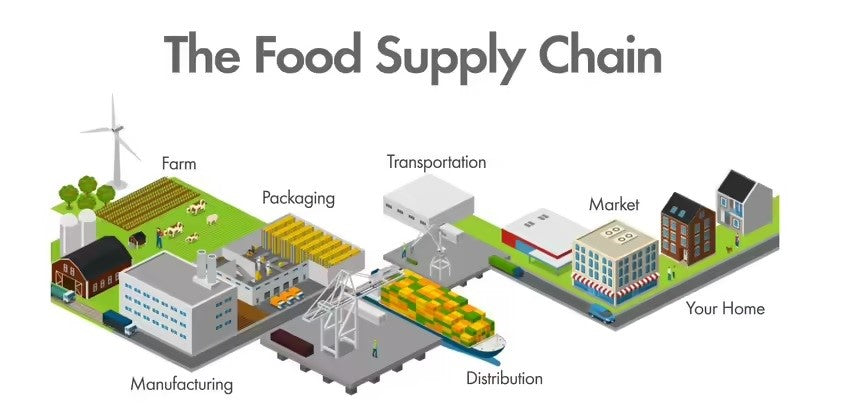
Modern food systems are built for speed, scale, and uniformity. While this approach has increased output, it has also created a growing distance between people and the source of their food. Chemical-free farming is often positioned as a “trend” or lifestyle choice, but for farmers and ecosystems, it is a necessity rooted in survival and sustainability.
At Arena Organica, our journey began with a simple question: Can food be grown honestly without damaging the soil, the farmer, or the consumer? The answer lies in how farming was practised long before chemicals became common.
What chemical-free farming actually means
Chemical-free farming is not the absence of effort — it is the presence of intention.
It involves growing crops without synthetic pesticides, fertilisers, or growth accelerators. Instead, farmers rely on natural manures, crop rotation, composting, and regenerative practices that restore soil health rather than extract from it.
These methods may not produce uniform or oversized yields, but they produce food that reflects its environment — seasonal, varied, and alive.
The impact on soil and farmers
Soil is not an inert medium; it is a living ecosystem. Chemical inputs disrupt this balance, leading to long-term degradation, reduced fertility, and farmer dependency on external inputs.
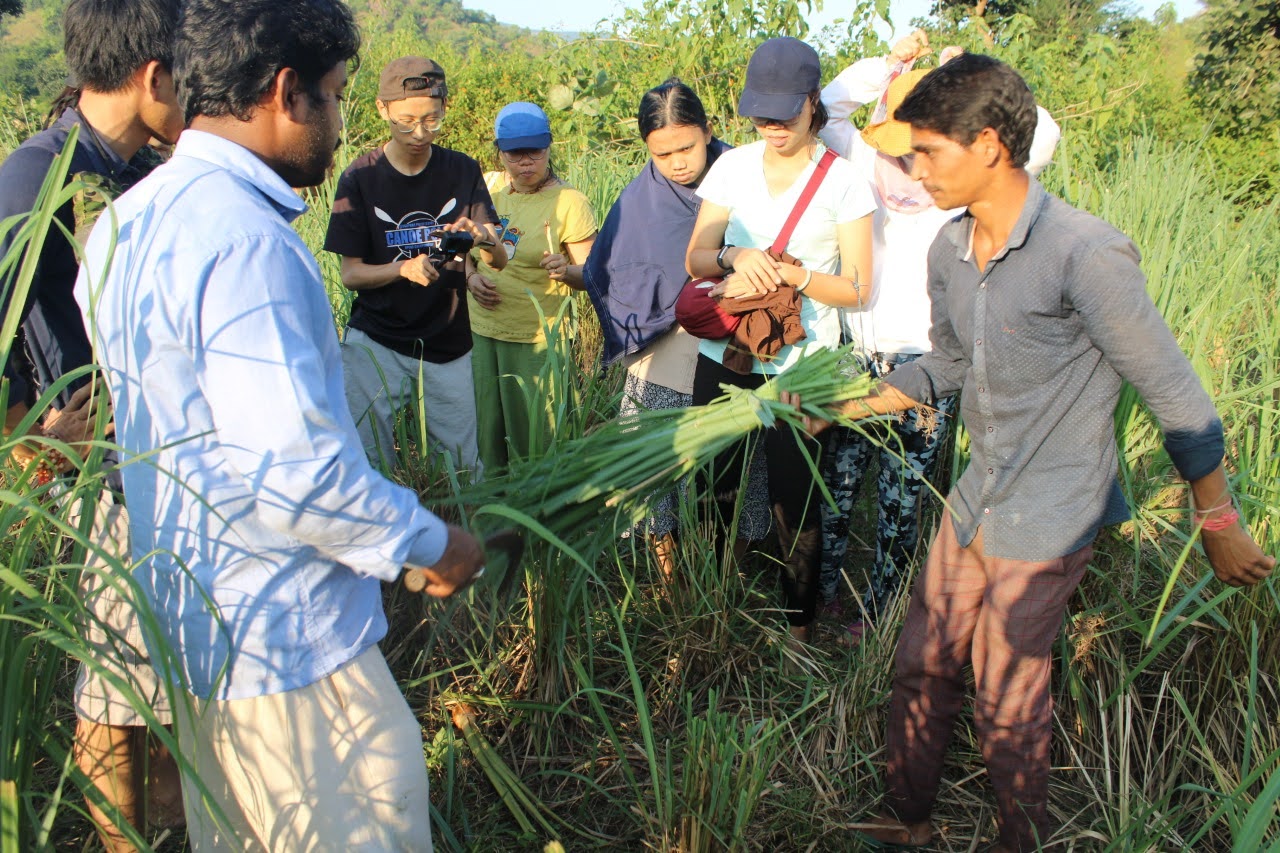
Farmers who transition to natural methods often experience an initial adjustment period. However, over time, soil structure improves, water retention increases, and dependence on purchased inputs reduces. This shift restores both ecological balance and farmer autonomy.
At Arena Organica, we have seen farmers regain confidence in their land by returning to practices that work with nature, not against it.
Why chemical-free food looks and behaves differently
One of the most common misconceptions is that pure food must look perfect. In reality, natural products vary in colour, texture, and size.
Saffron strands may differ slightly between harvests.
Amla may develop a natural white coating.
Shilajit may change in texture with temperature.
These variations are signs of minimal processing and honest handling — not defects.
Beyond certification: trust through transparency
While certifications play an important role, they are not the only marker of integrity. Many small farming communities follow organic principles but cannot afford certification costs.
This is why Arena Organica focuses on transparency — direct farmer relationships, single-origin sourcing, community audits, and lab testing for authenticity. Trust is built through visibility, not labels alone.
Choosing food responsibly
Choosing chemical-free food is not about perfection or purity claims. It is about responsibility — towards soil, farmers, and long-term health.
When you choose products grown with care and restraint, you support systems that prioritise sustainability over speed and integrity over scale.
At Arena Organica, we believe food should nourish not just the body, but the ecosystem it comes from.
Closing note
Chemical-free farming is not a return to the past.
It is a step toward a future where food systems are resilient, transparent, and humane.
That future begins at the farm.